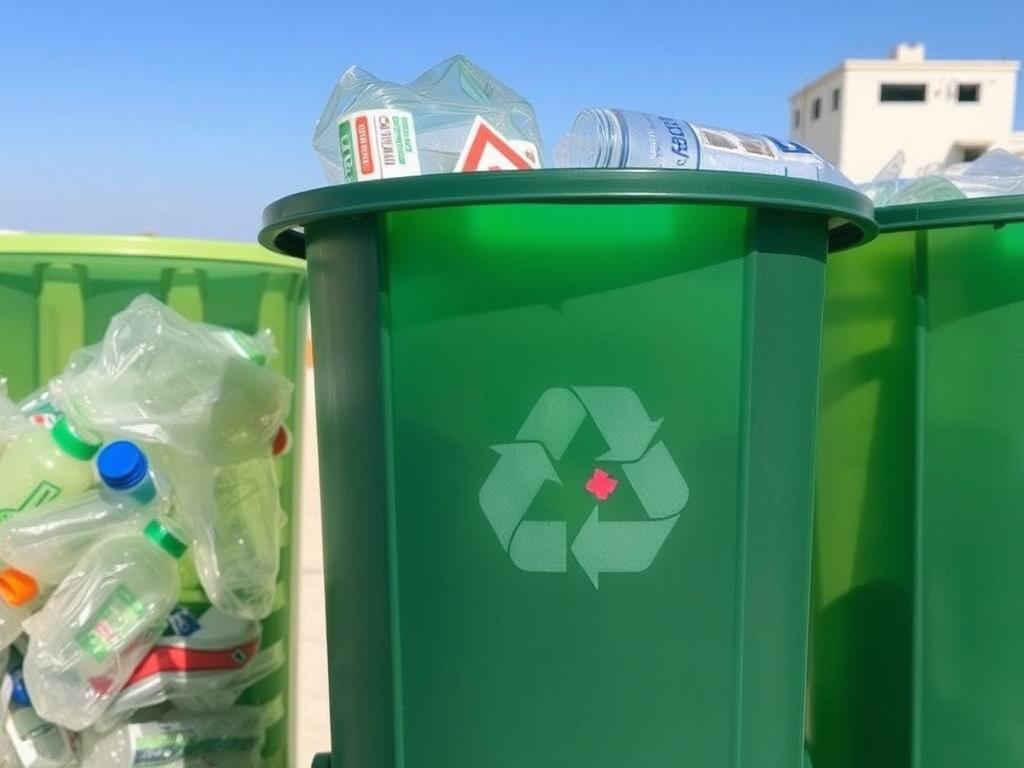
- 1. The State of Recycling in Cyprus: Background and Challenges
- 2. Recycling Points in Limassol: Accessibility and Functionality
- 3. Bottle Return Cyprus: An Incentive-Based Approach to Recycling
- 4. Waste Sorting: A Cornerstone of Effective Recycling
- 5. The Role of Ecology and Zero Waste Movements in Cyprus
- 6. How to Participate: Practical Advice for Residents and Visitors
- 7. Encouraging the Future: Policy and Innovation in Cyprus’s Recycling Sector
- 8. Take Charge of Your Waste: Be Part of Cyprus’s Sustainable Future
- 9. Frequently Asked Questions
- 10. Author
Recycling in Cyprus has gradually shifted from a niche concern to a fundamental part of everyday life for many residents and businesses. As ecological awareness grows worldwide, this Mediterranean island nation is increasingly investing in infrastructure, education, and incentives to enhance waste management and sustainability. Plastic waste, in particular, poses a major challenge due to its prevalence and environmental impact. However, Cyprus is responding with an expanding network of recycling points, especially in urban centers like Limassol, and innovative schemes such as bottle return Cyprus programs that allow individuals to contribute to waste sorting and even earn a small financial reward.
This comprehensive article explores the current landscape of recycling in Cyprus, focusing on where to deposit plastic waste, the role of recycling points in cities like Limassol, and how bottle return Cyprus initiatives are encouraging sustainable habits. We will analyze how these efforts contribute to the broader goals of ecology and zero waste living, providing practical advice for residents, businesses, and visitors alike. By understanding the available resources and processes, Cypriots can be better equipped to participate in these essential activities, helping to preserve the island’s natural beauty and reduce environmental degradation.
The State of Recycling in Cyprus: Background and Challenges
For decades, Cyprus lagged behind many European countries in terms of waste management and recycling. Its economy and infrastructure were heavily reliant on traditional landfilling and incineration methods, with little emphasis on separating materials or promoting circular resource use. However, since Cyprus joined the European Union in 2004, it has faced both legislative pressure and growing local demand to reduce its environmental footprint through improved recycling efforts.
One of the main challenges has been public participation. Recycling Cyprus initiatives have had to overcome longstanding habits where waste sorting was minimal or nonexistent at the household level. Even as authorities installed more recycling bins and points, improper sorting and contamination persisted, limiting the effectiveness of these interventions. Additionally, the island’s geographical and economic characteristics complicate waste management logistics, with scattered rural populations and a significant tourism sector that generates fluctuating waste volumes.
Nonetheless, the government and environmental organizations have made significant strides in recent years. Investments in recycling centers, public awareness campaigns, and the introduction of deposit-return schemes are increasing recycling rates steadily. Plastic waste reduction has become a particular focus, driven by concerns about marine pollution and microplastics, given Cyprus’s rich coastal ecosystems.
Cyprus has moved from waste disposal dependency toward stronger recycling frameworks despite logistical and cultural challenges.
Recycling Points in Limassol: Accessibility and Functionality
Limassol, the island’s second-largest city and a bustling economic hub, stands out as a focal point for implementing effective recycling systems. Residents and visitors alike have access to a growing number of recycling points that facilitate waste sorting and plastic collection. These designated points are often clearly marked and conveniently located to encourage use, including in residential neighborhoods, shopping districts, and near public facilities.
Recycling points Limassol have incorporated user-friendly designs. Many of them feature separate containers for plastics, paper, metals, and glass, enabling clear waste sorting from the start. This reduces contamination and simplifies the processing of collected materials at recycling plants. Some sites also accept electronic waste and batteries, further broadening the scope of sustainability efforts.
Municipal authorities periodically monitor and maintain these points to ensure cleanliness and functionality. They also collaborate with local NGOs and community groups to educate the public on proper recycling practices. The underlying goal is twofold: to maximize resource recovery and to cultivate a city-wide culture of sustainability and responsibility.
Strategically placed recycling points in Limassol boost practical recycling while promoting community engagement.
Bottle Return Cyprus: An Incentive-Based Approach to Recycling
One of the most innovative developments in Cyprus’s recycling landscape is the emergence of bottle return Cyprus schemes. These deposit-return programs stand out because they provide an economic incentive for individuals to return plastic bottles and other beverage containers for recycling. Participants receive small sums of money or vouchers in exchange for returning empty containers to specified collection points or reverse vending machines.
The concept rests on a simple behavioral principle: nudge consumers toward responsible disposal by rewarding positive action. These programs create a circular flow where manufacturers and distributors support the return and reuse of packaging, alleviating landfill pressure and reducing the demand for virgin plastic production.
Bottle return Cyprus initiatives operate in various forms across the island. Some are located in supermarkets and shopping centers, others in popular public spaces, and a few pilot projects link with city recycling points to streamline the process. The system is designed to be easy, convenient, and financially attractive, especially for young people and low-income households, who can gain direct benefits from participating.
From an ecological perspective, bottle return Cyprus helps reduce littering and marine pollution. Since Cyprus is a popular tourist destination with extensive coastlines, reducing plastic waste leakage into the Mediterranean Sea is vital. Return schemes also support more efficient waste sorting, as collected bottles are already separated and thus require fewer resources to recycle effectively.
Bottle return Cyprus programs turn waste into a resource, offering money back while protecting the environment.
Waste Sorting: A Cornerstone of Effective Recycling
Waste sorting is a critical step in the recycling process, determining the quality and viability of recycled materials. In Cyprus, as in many countries, proper waste sorting means separating recyclables such as plastic, paper, metal, and glass at the source — before collection.
Despite the installation of recycling points, waste sorting at home and work remains an area for improvement. The effectiveness of the entire system depends on the accuracy of sorting, which minimizes contamination and maximizes material recovery. Contaminated waste streams often end up being incinerated or landfilled, negating the benefits of recycling efforts.
Educational campaigns in Cyprus emphasize the importance of sorting plastic bottles, jugs, and packaging separately from food waste and other non-recyclables. Public spaces often provide color-coded bins to facilitate this process, and municipalities encourage citizens to adopt zero waste principles to reduce overall refuse.
Businesses and schools in Cyprus have also stepped up efforts to implement structured waste sorting programs. They frequently cooperate with local waste management companies to ensure collected materials are properly handled and recycled.
Proper waste sorting is essential to turning recyclable materials into valuable resources rather than landfill burdens.
The Role of Ecology and Zero Waste Movements in Cyprus
The ecology movement in Cyprus has taken on renewed importance in the face of climate change, biodiversity loss, and environmental degradation. Community-based organizations, activists, and policymakers are increasingly advocating for sustainable consumption, responsible production, and a reduction in plastic pollution.
Zero waste philosophies have gained traction in Cyprus, challenging consumers to rethink how they use and dispose of products. The zero waste approach involves minimizing resource consumption, increasing reuse, and ensuring that what remains is recyclable and ultimately compostable. While achieving zero waste entirely is an ambitious goal, it provides a useful framework for systematic environmental improvements.
Cyprus’s unique environment — characterized by rich biodiversity, important marine habitats, and limited natural resources — makes ecology-driven waste management an urgent priority. Local authorities support initiatives that reduce plastic use, encourage biodegradable alternatives, and promote recycling programs accessible to all citizens.
Integrating zero waste principles with infrastructure expansions like recycling points Limassol and bottle return Cyprus schemes creates a holistic approach. It links individual action with systemic change, empowering citizens to impact environmental outcomes positively.
Ecology and zero waste movements provide the ethical and practical foundation for sustainable waste management in Cyprus.
How to Participate: Practical Advice for Residents and Visitors
If you live in or visit Cyprus, engaging with recycling programs is straightforward but requires awareness of local practices and rules. First, locate your nearest recycling points Limassol or other urban centers by consulting municipal websites or community apps designed to pinpoint waste disposal facilities. These points typically accept clean plastic bottles, containers, and other recyclable materials.
Participate in bottle return Cyprus schemes by saving your beverage containers and bringing them to designated collection points or reverse vending machines. Always rinse containers to avoid contamination and maximize the value of returned materials. Keep in mind that different materials might have separate procedures; for example, aluminum cans often follow a different path than PET plastic bottles.
In your home or workplace, set up bins or bags dedicated to waste sorting. Label them clearly and educate family members or colleagues about the types of waste accepted. This small step can have exponential effects when combined with public recycling infrastructure.
Finally, adopt zero waste habits where possible: reduce your use of single-use plastics, opt for reusable containers, and prioritize products with minimal or recyclable packaging. Cyprus offers many markets and stores that support sustainable products, making it easier to align consumption patterns with ecological values.
Awareness, proper sorting, and active participation in return schemes bring tangible benefits to Cyprus’s environment.
Encouraging the Future: Policy and Innovation in Cyprus’s Recycling Sector
Looking ahead, Cyprus’s movement toward comprehensive recycling and waste reduction depends heavily on continued innovation and smart policy interventions. Authorities are exploring ways to expand bottle return Cyprus programs island-wide, improve recycling point accessibility, and integrate digital technologies for monitoring and reporting waste flows.
Legislation harmonized with EU directives aims to progressively restrict single-use plastics, incentivize material reuse, and enforce stricter rules for producer responsibility. These measures are expected to increase recycling rates and bring Cyprus closer to its targets under the Circular Economy Action Plan.
Technological advancements such as smart bins equipped with sensors, automated sorting facilities, and improved recycling technologies will also play a crucial role. Encouraging public-private partnerships and community involvement remains a strategic priority to ensure that recycling efforts are sustainable economically and socially.
Overall, a multidisciplinary approach combining infrastructure, incentives, education, and legislation is required to overcome Cyprus’s unique challenges and fulfill its ecological commitment.
Policy advancements and technology integration will shape the next phase of Cyprus’s recycling evolution.
Take Charge of Your Waste: Be Part of Cyprus’s Sustainable Future
Recycling in Cyprus is no longer just an idealistic goal but an accessible and practical activity that benefits the whole community. From well-established recycling points Limassol to emerging bottle return Cyprus initiatives, the infrastructure is steadily improving to facilitate sustainable waste management. However, real progress depends on the active participation of individuals, businesses, and institutions.
By embracing proper waste sorting, engaging with deposit-return schemes, and adopting zero waste principles, you contribute directly to preserving Cyprus’s ecology and natural landscapes. Every plastic bottle you recycle, every item properly sorted, and every effort to reduce waste adds up. The financial micro-incentives provided by deposit programs are a bonus, but the ecological benefits are invaluable.
The transition toward a zero waste society on the island will require patience, dedication, and innovation, but the rewards—cleaner cities, healthier ecosystems, and a more sustainable economy—are well worth the effort. Now is the time to take charge, do your part, and help Cyprus lead by example in the Mediterranean region and beyond.
Your recycling actions today build the Cyprus of tomorrow: cleaner, greener, and more responsible.
Frequently Asked Questions
- Where can I find recycling points in Limassol?
Recycling points are located throughout Limassol, including residential areas, near shopping centers, and public facilities. The municipality website and local apps provide updated maps of these locations. - How does the bottle return Cyprus program work?
You can return eligible plastic bottles and beverage containers to designated points or reverse vending machines and receive a small cash refund or vouchers as an incentive. - What types of plastic can I recycle in Cyprus?
Most programs accept PET plastic bottles, HDPE containers, and other common household plastics, provided they are clean and empty. Check local sorting guidelines for specific details. - Is waste sorting mandatory in Cyprus?
While regulations encourage waste sorting, enforcement varies. However, sorting improves recycling efficiency and reduces landfill waste, so it is strongly recommended by local authorities. - How does recycling in Cyprus support zero waste goals?
Recycling reduces the volume of waste sent to landfill, recovers valuable materials, and complements zero waste principles by promoting reuse and minimization of disposable items. - Can visitors participate in Cyprus recycling programs?
Yes, visitors are encouraged to use public recycling points and bottle return schemes. Following local sorting rules helps maintain the effectiveness of these systems. - Are there future plans to improve recycling infrastructure in Cyprus?
Yes, government and private sectors are expanding recycling points, enhancing bottle return programs, and introducing new technologies to improve waste management island-wide.