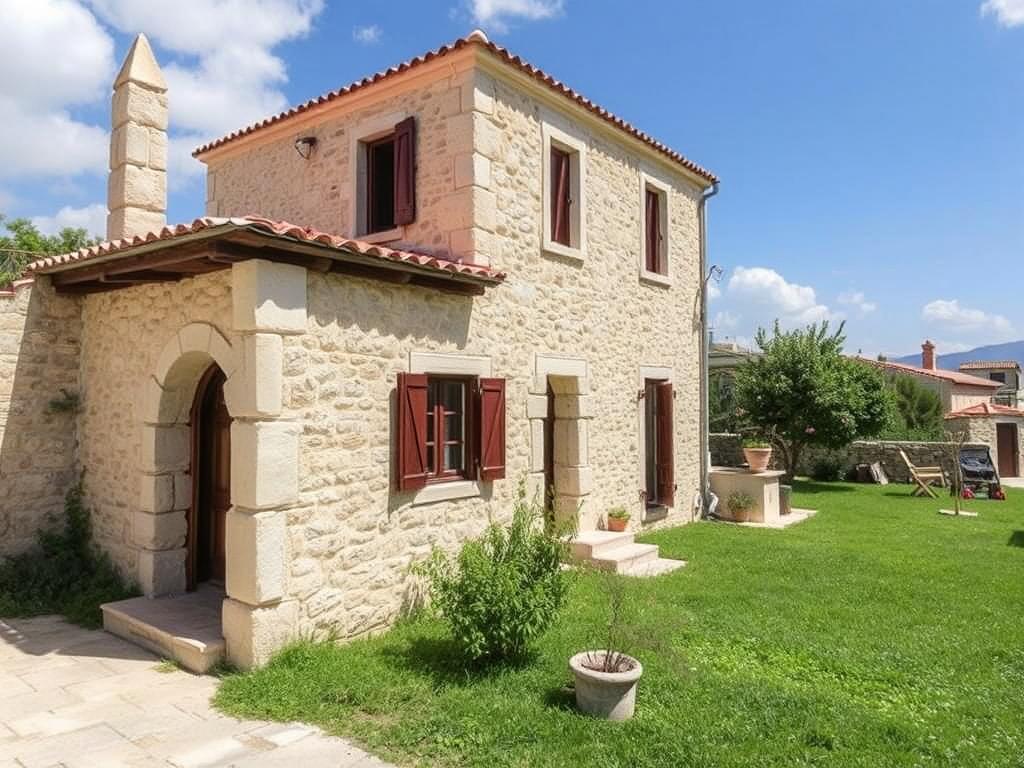
- 1. Understanding the Unique Appeal of Stone Houses in Cyprus
- 2. Permits and Legal Framework for Traditional House Restoration Cyprus
- 3. Estimating Renovation Costs Cyprus: Factors That Influence Budgeting
- 4. Finding and Hiring Local Experts: How to Hire Contractor Cyprus Specialists
- 5. Technical Challenges and Best Practices in Stone House Renovations
- 6. Environmental and Cultural Considerations in Traditional House Restoration Cyprus
- 7. Practical Tips for Buyers Looking to Buy House in Cyprus with Renovation Potential
- 8. Unlocking the Full Potential of Your Cyprus Stone House: A Pathway to Success
- 9. Frequently Asked Questions
- 10. Author
For those who dream about authentic Mediterranean living, to buy house in Cyprus offers a unique gateway to history, culture, and stunning landscapes. Among these, old stone houses stand out, embodying the island’s rich architectural heritage. However, the journey from acquiring to restoring such a property is layered with challenges and opportunities. This article explores every essential aspect of renovating a traditional house in Cyprus, focusing on the intricacies of securing planning permission Cyprus renovation, understanding renovation costs Cyprus, and how to wisely hire contractor Cyprus professionals who specialize in this niche.
Understanding the Unique Appeal of Stone Houses in Cyprus
Stone houses reflect a bygone era of Cypriot life, constructed with thick limestone or sandstone walls that naturally regulate temperature. Their durability and distinctive aesthetics make them especially attractive to buyers seeking a quiet retreat or a holiday home infused with cultural significance. However, restoring these homes requires more than a cosmetic makeover; it involves a comprehensive understanding of their original construction, the materials used, and the environmental context.
Each region of Cyprus brings its variation in architectural styles, so identifying the historical and cultural value attached to a stone house becomes imperative before starting restoration works. The heritage value often translates into strict regulations on how renovations can be performed, reinforcing the need for detailed planning and adherence to local guidelines.
Stone houses in Cyprus offer unmatchable thermal comfort and cultural heritage but demand thoughtful and sensitive restoration approaches.
Permits and Legal Framework for Traditional House Restoration Cyprus
Before embarking on any renovation, securing the correct permits is mandatory to avoid legal hurdles. In Cyprus, planning permission for renovations, especially of listed or traditional buildings, is governed by strict spatial planning regulations. The planning permission Cyprus renovation process involves applying to the local planning authority, which scrutinizes proposals to ensure they align with conservation standards and urban planning policies.
When dealing with a traditional house restoration Cyprus project, it’s essential first to determine whether the building is under heritage protection status. This status imposes specific constraints and often requires collaboration with conservation officers. Applications must detail the renovation scope, materials, structural modifications, and the intended use of the property after restoration.
Notably, these permissions may take longer to process compared to modern constructions, primarily due to the additional assessments and consultations required.
Obtaining planning permission in Cyprus is a prerequisite that ensures renovations respect the historic and environmental integrity of traditional stone houses.
Estimating Renovation Costs Cyprus: Factors That Influence Budgeting
Cost planning for renovating an old stone house is complex. Unlike new constructions, unexpected expenses often arise from the discovery of structural weaknesses, the need to use traditional materials, and compliance with regulatory requirements. The overall renovation costs Cyprus can be segregated into several main areas: materials, labor, permits, and contingency funds.
Materials for traditional house restoration Cyprus must often mirror original substances, such as specific limestone or earth-based mortars, which can be more expensive and require specialized procurement channels. Labor costs may rise due to the necessity of craftsmen experienced in heritage techniques rather than general contractors.
Based on recent industry data, renovation costs Cyprus vary widely but typically fall within these approximate ranges:
| Renovation Aspect | Estimated Cost Range (€ per m²) |
|---|---|
| Structural repairs and reinforcement | 200 – 400 |
| Traditional materials and finishes | 150 – 350 |
| Interior modernization (plumbing, electrical) | 100 – 250 |
| Planning and permit fees | 5,000 – 20,000 (one-time) |
Additional costs include architectural and engineering consultations, often necessary to align the renovation with both safety and heritage standards. Because of these variables, having a flexible budget that allows for unforeseen contingencies is crucial. On average, comprehensive restorations may total anywhere from €1,000 to €2,500 per square meter depending on complexity.
Transparent budgeting and professional advice are essential to manage the often unpredictable renovation costs in Cyprus.
Finding and Hiring Local Experts: How to Hire Contractor Cyprus Specialists
One of the biggest challenges in renovating a traditional stone house lies in selecting a competent local team. To hire contractor Cyprus experts means to seek professionals familiar with local building codes, sustainable heritage practices, and the nuances of stone restoration. Such contractors possess the experience to navigate both technical renovations and bureaucratic requirements effectively.
Finding the right contractor involves verifying credentials, requesting portfolios or case studies of previous projects, and checking client references. It is also important to ascertain whether the contractor collaborates with specialized artisans such as stonemasons, carpenters, and restoration architects who have hands-on experience with traditional Cypriot architecture.
Here are key steps to streamline hiring contractors in Cyprus:
- Contact local heritage or building associations for recommendations.
- Interview multiple contractors to compare expertise and cost estimates.
- Review contract terms carefully to include timelines, milestones, and quality assurances.
- Ensure the contractor holds valid insurance and registration with Cypriot authorities.
Working closely with trusted local contractors ensures the restoration respects the cultural legacy while meeting modern living standards.
Specialized contractors in Cyprus are invaluable for blending tradition with modern standards in stone house restorations.
Technical Challenges and Best Practices in Stone House Renovations
Renovating stone houses is technically demanding. Stone’s properties—weight, porosity, and thermal mass—demand careful treatment. Damage such as moisture ingress, structural cracks, or erosion caused by weathering must be addressed using appropriate methods. The restoration process typically starts with a detailed structural survey, moisture assessment, and identification of original materials.
Best practices include employing breathable plastering solutions like lime-based mortars instead of cement, which can trap moisture and accelerate deterioration. Repointing stone masonry requires precision to match the original craftsmanship. Furthermore, integrating modern services such as plumbing, heating, and electrical systems requires thoughtful planning to avoid disrupting the fabric of the building.
It is equally vital to upgrade insulation carefully to maintain the house’s natural thermal qualities while enhancing energy efficiency.
The essence of traditional stone house restoration lies in respecting original materials and techniques while smartly including modern amenities.
Environmental and Cultural Considerations in Traditional House Restoration Cyprus
When considering a traditional house restoration Cyprus project, the environmental footprint of renovation actions cannot be ignored. Preserving existing materials, minimizing waste, and sourcing locally available resources align with sustainable building principles. Stone houses naturally possess eco-friendly qualities, including thermal regulation and durability.
Culturally, maintaining architectural authenticity safeguards intangible heritage such as local craftsmanship and design philosophy. Renovations should aim not only to preserve physical structures but also the stories and identity linked with the property and its surroundings.
The balancing act between preservation and adaptation requires sensitivity and respect for the regional identity, which often means consulting heritage experts and local communities.
A thoughtful renovation honors both the environment and the cultural soul of Cyprus’s traditional stone homes.
Practical Tips for Buyers Looking to Buy House in Cyprus with Renovation Potential
Prospective buyers planning to renovate a stone house in Cyprus must approach the process with a clear strategy. First, conducting thorough due diligence on the property’s condition and legal status saves time and money. Engaging an experienced surveyor familiar with traditional buildings is indispensable.
Assess the location’s market trends and the potential increase in value post-renovation. Consider accessibility to contractors and suppliers of traditional materials. Prepare to invest emotionally and financially over extended periods, as traditional house restoration Cyprus is rarely a quick project.
Finally, build relationships with local authorities early on to smooth the planning permission Cyprus renovation process.
Buying a stone house in Cyprus is the beginning of a rewarding journey that requires informed decisions and patient execution.
Unlocking the Full Potential of Your Cyprus Stone House: A Pathway to Success
Renovating an old stone house in Cyprus is a multi-dimensional project that intersects real estate, heritage conservation, and local bureaucracy. Success depends on a careful navigation of planning permissions, realistic financial planning, and collaboration with skilled local contractors. The vibrant combination of tradition and modernity creates living spaces that celebrate Cyprus’s legacy while offering contemporary comfort.
By appreciating the technical challenges and embracing the cultural values embedded in stone house renovations, owners contribute to the safeguarding of Cyprus’s architectural treasures for generations to come. While the effort is considerable, the reward is a home that is not only a dwelling but a story, a history etched in stone.
Transforming a traditional stone house in Cyprus is a profound investment in heritage that enriches both life and community.
Frequently Asked Questions
- Do I always need planning permission to renovate a stone house in Cyprus?
Yes, planning permission Cyprus renovation is typically required, especially for traditional or heritage-listed properties. - What is the average renovation cost per square meter for a stone house in Cyprus?
Renovation costs Cyprus vary between €1,000 and €2,500 per square meter depending on the extent of work and materials. - How can I find trustworthy contractors for stone house restoration in Cyprus?
Hire contractor Cyprus specialists through local building associations, verified portfolios, and direct recommendations. - Are there restrictions on the materials I can use during traditional house restoration Cyprus projects?
Yes, using materials that match the original, especially breathable and natural ones like limestone and lime mortar, is often required. - How long does obtaining planning permission Cyprus renovation typically take?
The process can take several months due to heritage assessments and bureaucratic procedures. - Can I modernize electrical and plumbing systems during restoration?
Yes, modernization is possible but must be integrated sensitively to preserve structural integrity. - Is it financially worthwhile to renovate an old stone house in Cyprus?
Yes, it can add significant value and yield a unique, culturally rich living environment if planned and executed well.