- 1. Overview of Food Prices Cyprus 2025: Economic Factors at Play
- 2. Supermarkets in Cyprus: Analyzing Lidl and Alphamega
- 3. Farmers Markets Limassol: The Pulse of Local Food
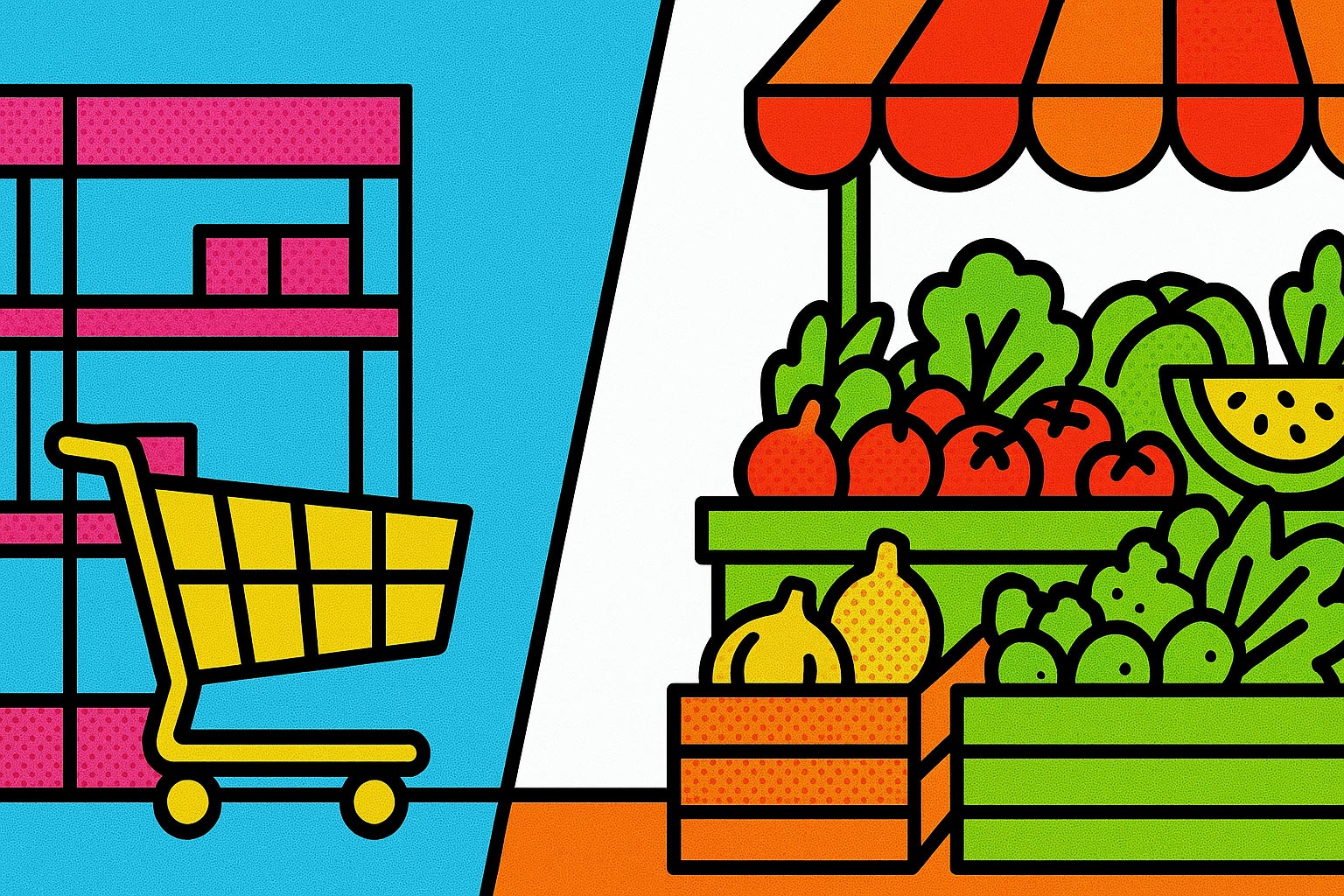
- 4. Comparative Analysis: Supermarkets Cyprus Comparison to Farmers Markets
- 5. Impact of Food Prices on Consumer Behavior in Cyprus 2025
- 6. Future Trends: What to Expect in Food Retailing in Cyprus
- 7. Finding the Right Balance: Optimizing Your Grocery Shopping Experience
- 8. Unlocking the Best Value in Cyprus’s Evolving Food Landscape
- 9. Frequently Asked Questions
- 10. Author
As Cyprus approaches 2025, understanding where and how to shop for groceries becomes increasingly vital against the backdrop of evolving economic conditions and fluctuating food prices. The island’s food landscape is shaped significantly by its mix of modern supermarkets and vibrant farmers markets. Consumers now face the challenge of balancing quality, freshness, and affordability, especially as food prices in Cyprus 2025 show nuanced variations depending on where you buy your groceries.
This article dives deep into the comparison between supermarkets and farmers markets in Cyprus, focussing particularly on areas like Limassol, while dissecting the roles of popular supermarkets such as Lidl and Alphamega. Whether you’re a resident or planning to relocate, the guide explores how diverse shopping choices affect your food budget and shopping experience.
Overview of Food Prices Cyprus 2025: Economic Factors at Play
To understand the pricing dynamics in Cyprus’s supermarkets and farmers markets, one must first delve into the macroeconomic factors influencing food prices in 2025. Inflation, import dependencies, local agricultural production, and global supply chain disruptions all converge to define the cost of groceries on the island.
Food prices in Cyprus 2025 have shown a moderate rise compared to previous years, particularly influenced by increasing costs of imported goods and energy prices impacting transport and storage. Despite these challenges, the government and local producers are making strides to buffer consumers against extreme price surges by supporting local agriculture.
As a Mediterranean island heavily reliant on imports for a significant portion of its food supply, Cyprus’s local market stability often hinges on external factors such as geopolitical tensions, shipping costs, and climate-driven variability in crop yields worldwide.
Understanding external economic pressures is crucial to grasp why food prices in Cyprus 2025 vary between supermarkets and farmers markets.
Supermarkets in Cyprus: Analyzing Lidl and Alphamega
Supermarkets have long catered to the convenience-driven consumer, offering wide product ranges under one roof. Among the most prevalent chains, Lidl and Alphamega stand out for their market share and influence on food prices Cyprus 2025.
Lidl, known for its cost-effectiveness and weekly deal promotions, attracts budget-conscious shoppers who prioritize affordability but still seek quality. Lidl’s business model emphasizes streamlined supply chains and bulk purchasing to keep prices competitive. The brand’s recent investment in expanding fresh produce selection shows responsiveness to shoppers’ demand for healthier, fresher options.
Alphamega, on the other hand, leans more into premium grocery offerings, positioning itself as a supermarket for both everyday needs and specialty food items. Its broader import range and local product lines cater to varied tastes but tend to have slightly higher base prices compared to Lidl.
Both supermarkets have adapted technologically with mobile apps for digital promotions and shopping list management, transforming how consumers interact with groceries in Cyprus.
| Supermarket | Price Range | Product Quality | Fresh Produce Availability | Special Features |
|---|---|---|---|---|
| Lidl | Budget-Friendly | Good | Moderate | Weekly Deals, Bulk Offers |
| Alphamega | Mid to Premium | High | Extensive | Specialty Items, Imported Goods |
Supermarkets like Lidl and Alphamega cater to distinct shopper profiles, influencing food prices Cyprus 2025 through their unique product strategies.
Farmers Markets Limassol: The Pulse of Local Food
Farmers markets in Limassol capture the essence of Cyprus’s agricultural heritage, delivering locally grown produce directly to consumers. These markets are hubs for fresh fruits, vegetables, herbs, and often artisanal products made by Cypriot producers. The direct-to-consumer model eliminates many supply chain costs, which can sometimes translate to lower prices on fresh goods.
However, pricing at farmers markets can vary widely based on seasonality, product quality, and vendor sourcing. Many residents of Limassol prefer farmers markets because of the superior freshness and taste, viewing them as a viable alternative to supermarket chains, especially for perishables.
Moreover, shopping at a farmer’s market supports the local economy and reduces environmental impacts linked to transportation and packaging. This tradeoff plays into consumer decisions where some may accept slightly higher prices for greener, more sustainable food options.
Farmers markets also provide a social and cultural space where Cypriots and tourists alike can engage with producers, gaining insight into food origins and farming practices, which fosters trust and appreciation for local agriculture.
Farmers markets in Limassol offer fresher produce and community connection but fluctuate more in price based on season and availability.
Comparative Analysis: Supermarkets Cyprus Comparison to Farmers Markets
The choice between shopping at supermarkets or farmers markets depends not just on price but on a balance of convenience, quality, and consumer priorities. Here is a detailed comparison that elucidates these key points affecting food prices and shopping behavior in Cyprus in 2025.
Price Variability: While supermarkets like Lidl often offer stable, predictable prices with promotions, farmers markets’ prices fluctuate seasonally. For staple vegetables and fruits, farmers markets might undercut supermarket prices, but exotic or out-of-season produce can cost more.
Product Range: Supermarkets provide a wider variety of groceries, from fresh to frozen and packaged goods, including dairy, bakery items, and international foods. Farmers markets usually focus on fresh, local, and seasonal items, with fewer processed products.
Quality and Freshness: Farmers markets often have the advantage in freshness since products come straight from growers, reducing time from harvest to sale. However, supermarkets, particularly Alphamega, work to stock high-quality fresh produce, sometimes sourced locally, though turnover speed is generally slower.
Convenience: Supermarkets offer convenience through longer opening hours, organized shopping layouts, parking, and often self-checkout options. Farmers markets are time-specific, usually operating once or twice a week and requiring on-site cash transactions.
Economic Support: Buying from farmers markets directly supports local farmers and the regional economy, potentially reducing the environmental footprint by cutting down on food miles. Supermarket chains rely heavily on global suppliers but also stock products from local producers.
| Factor | Supermarkets (Lidl, Alphamega) | Farmers Markets (Limassol) |
|---|---|---|
| Price Stability | Generally Stable | Variable by Season |
| Product Variety | Broad | Mostly Fresh & Local |
| Freshness | Good | Generally Superior |
| Convenience | High | Lower |
| Economic Impact | Mixed Local/Global | Strong Local Support |
Making an informed choice between supermarkets and farmers markets means weighing price consistency against freshness and local impact.
Impact of Food Prices on Consumer Behavior in Cyprus 2025
With food prices rising globally and in Cyprus, 2025 shoppers are strategically shifting their buying habits to maximize value. In particular, consumers demonstrate an increasing awareness of how supermarket prices by retailer compare to seasonal and local market prices.
For example, budget-conscious families often shop at Lidl for staples and bulk items while topping up fresh produce at farmers markets Limassol to balance their grocery expenses. Others opt to prioritize organic and locally grown food even at higher prices, redefining value as quality plus sustainability.
Additionally, online grocery shopping has gained traction for routine items, especially among busy urban dwellers. Alphamega offers increasingly expansive online services, incorporating delivery or curbside pick-up, adding a layer of convenience that can outweigh slightly elevated pricing.
Marketing campaigns by both supermarkets and farmers market vendors stress transparency in sourcing as a differentiator. This shift pushes Cyprus’s food retail environment towards more competitive pricing strategies and consumer education efforts.
Food prices Cyprus 2025 are reshaping consumer priorities from merely price-focused to a blend of affordability, quality, and sustainability.
Future Trends: What to Expect in Food Retailing in Cyprus
Looking forward, several trends will likely define the supermarket versus farmers market debate in Cyprus’s food scene. Sustainability efforts, technological adoption, and evolving consumer values will be critical drivers of change.
Supermarkets such as Lidl are expected to increase their supply of organic and local products to meet demand, possibly narrowing the price gap with farmers markets for certain goods. Alphamega might boost their specialty and imported food lines to retain their market segment seeking variety and premium products.
Farmers markets Limassol and elsewhere on the island are likely to adopt more digital payment methods and promotional approaches to appeal to younger buyers and tourists, enhancing accessibility without losing their traditional market charm.
The Cypriot government also plans to offer additional support to local farmers through subsidies and infrastructure improvements, which could improve produce availability and pricing stability in farmers markets.
Incorporation of urban farming initiatives and sustainable agriculture projects may further enrich the array of fresh local produce, possibly influencing food prices Cyprus 2025 by reducing reliance on imports.
Innovation and sustainability will shape the future food prices and retail structure in Cyprus, balancing modern convenience with local values.
Finding the Right Balance: Optimizing Your Grocery Shopping Experience
Choosing the right shopping venue depends ultimately on personal priorities, lifestyle, and budget. For those seeking consistent prices, wide selection, and convenience, supermarkets like Lidl and Alphamega offer reliable solutions without compromising too much on quality. Practical shoppers may prefer Lidl for grocery staples, while those looking for variety often lean on Alphamega.
In contrast, shoppers inclined toward fresh, seasonal produce and supporting the local economy should not overlook the vibrant options at farmers markets Limassol. Combining supermarket visits for packaged goods with trips to farmers markets for fresh food can create both financial savings and a richer eating experience.
An emerging approach is to engage with both sectors strategically, planning purchases around weekly farmers market schedules while leveraging supermarket promotions for pantry items. Additionally, always comparing prices, mindful of seasonal trends and product origin, helps consumers navigate the fluctuating food prices Cyprus 2025 landscape effectively.
Using digital tools such as supermarket apps to monitor prices and create shopping lists can improve budgeting and reduce food waste. Similarly, building relationships with local farmers and market vendors can lead to personalized offers and insights on the best buys.
Your Food Spend Strategy Moving Forward
1. Identify which items are best bought fresh and local versus packaged and imported.
2. Monitor supermarket promotions to capitalize on discounts at Lidl and Alphamega.
3. Plan farmers market visits according to seasonal availability for maximum freshness and savings.
4. Use technology to streamline shopping lists and price comparisons.
5. Embrace flexibility and adapt purchases based on weekly price fluctuations and new product introductions.
Balancing supermarket convenience with farmers market freshness offers an optimized path through Cyprus’s food prices in 2025.
Unlocking the Best Value in Cyprus’s Evolving Food Landscape
Food prices in Cyprus 2025 present a complex but navigable challenge for consumers intent on balancing cost, quality, and values. Supermarkets like Lidl and Alphamega provide stable, diverse shopping options, while farmers markets Limassol emphasize freshness and local economic support. The ongoing shifts in economic conditions, consumer behaviour, and technological options mean that food shoppers must remain informed and adaptable.
The key to managing grocery budgets amid these changes lies in understanding the strengths and limits of each shopping avenue and strategically combining them to suit your lifestyle. Rather than viewing supermarkets and farmers markets as strictly oppositional, the best approach views them as complementary components of a resilient and sustainable food system.
Ultimately, Cyprus’s food retail landscape is not just about prices but also about nurturing community connections, supporting local agriculture, and embracing new tools to make grocery shopping smarter and more rewarding.
Mastering your food shopping in Cyprus means adapting to evolving prices, embracing local flavors, and leveraging modern retail conveniences.
Frequently Asked Questions
- Are supermarkets cheaper than farmers markets in Cyprus in 2025?
Generally, supermarkets like Lidl offer more stable and sometimes lower prices on staple and packaged groceries, but farmers markets can provide better deals on fresh, seasonal produce. - Which supermarket chain is more affordable, Lidl or Alphamega?
Lidl tends to be more budget-friendly with emphasis on discounts and bulk deals, while Alphamega offers a wider range including premium products at moderate to higher prices. - How often do farmers markets operate in Limassol?
Farmers markets in Limassol usually operate once or twice weekly, often on weekends and selected weekdays. - Can I use digital payments at farmers markets Limassol?
Increasingly, some vendors accept card or mobile payments, but cash remains the dominant transaction method at many stalls. - Are locally grown products more expensive in supermarkets or farmers markets?
Locally grown products can sometimes be cheaper at farmers markets due to fewer intermediaries but supermarkets stock local products year-round often at stable prices. - Do supermarkets in Cyprus have online shopping options?
Yes, both Lidl and Alphamega offer online grocery shopping with home delivery or pick-up services, enhancing convenience for shoppers. - How can consumers best manage rising food prices in Cyprus 2025?
Consumers should combine shopping strategies, leverage promotions, plan purchases seasonally, and support local markets to optimize cost and quality.