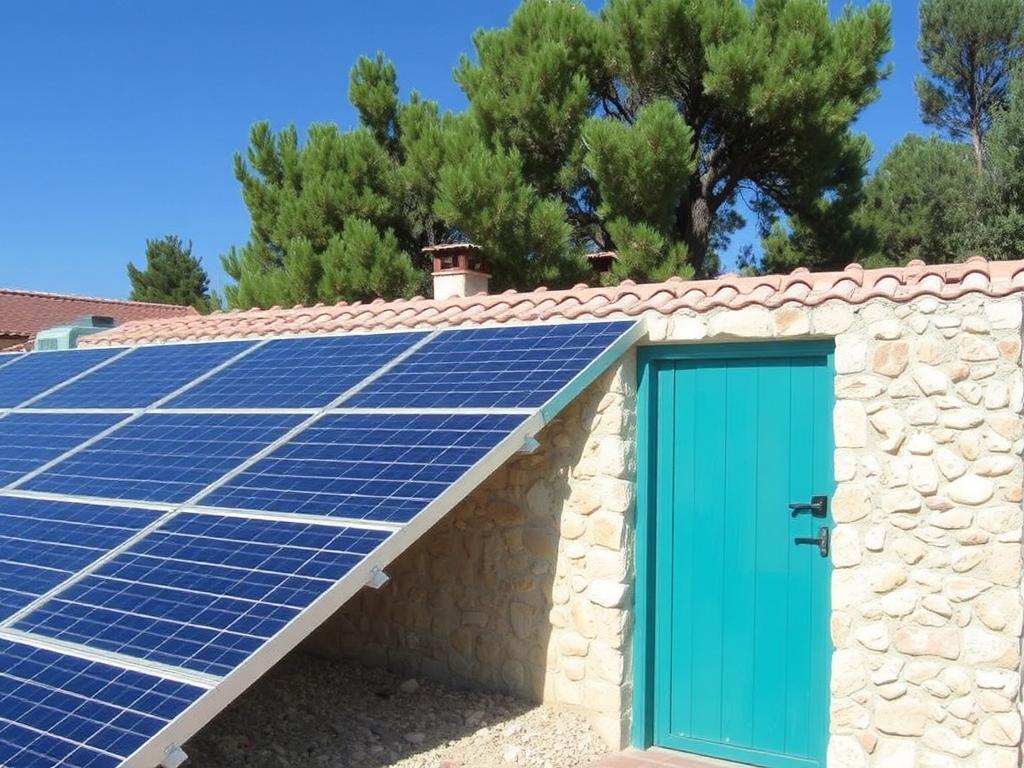
- 1. The Solar Landscape in Cyprus: An Overview
- 2. Photovoltaic Grants Cyprus: Financial Incentives That Make Solar Affordable
- 3. Net Metering Cyprus: How It Works and Why It Matters
- 4. Cutting Your Power Bill: Practical Strategies Using Solar Panels in Cyprus
- 5. Sustainability and Environmental Impact: Why Solar Panels in Cyprus Make a Difference
- 6. The Future of Solar Energy in Cyprus: Trends and Innovations to Watch
- 7. Empower Your Home and Wallet: The True Impact of Switching to Solar in Cyprus
- 8. Frequently Asked Questions
- 9. Author
Cyprus is uniquely positioned to harness solar energy thanks to its abundant sunlight, making the installation of solar panels an attractive solution for homeowners and businesses alike. The increasing cost of electricity bills and the urgent need for sustainability have prompted many in Cyprus to explore solar technology as a reliable and cost-effective alternative. This article delves deeply into the advantages and practicalities of solar panels in Cyprus, focusing on photovoltaic grants Cyprus, net metering Cyprus policies, and actionable strategies to significantly reduce electricity bills.
The Solar Landscape in Cyprus: An Overview
Situated in the eastern Mediterranean, Cyprus enjoys over 300 sunny days a year, offering excellent conditions for solar energy generation. This natural advantage positions solar panels in Cyprus as a highly efficient method for producing clean, renewable energy. The country’s commitment to sustainable development and energy independence further complements this potential.
In practical terms, solar panels convert sunlight into electricity through photovoltaic cells. This process is efficient in Cyprus due to the high solar irradiance, which exceeds 5 kWh/m² per day on average. Consequently, even small-scale residential installations can contribute substantially to household energy needs, directly impacting the reduction of electricity bills.
Investing in solar panels in Cyprus means tapping into one of Europe’s best natural solar resources, combining environmental benefits with tangible cost savings.
From a policy standpoint, Cyprus is working towards increasing the share of renewables in its energy mix. This shift is supported by government programs offering photovoltaic grants Cyprus, which help offset installation costs and accelerate adoption. Additionally, net metering Cyprus mechanisms allow users to optimize their solar energy usage and further decrease reliance on the national grid.
Photovoltaic Grants Cyprus: Financial Incentives That Make Solar Affordable
The upfront cost remains one of the main barriers to widespread solar adoption. In response, the Cypriot government, often supported by European Union funds, has introduced various photovoltaic grants Cyprus programs aimed at reducing the initial financial burden. These incentives provide consumers and businesses with rebates, low-interest loans, or direct subsidies to promote the installation of solar panels.
Eligible applicants can receive grants covering a significant portion of equipment and installation expenses. Typically, these grants focus on residential homeowners, farms, and small to medium enterprises, prioritizing sustainable energy projects and energy efficiency improvements.
| Grant Type | Eligible Applicants | Support Details | Typical Coverage |
|---|---|---|---|
| Residential Solar Grant | Homeowners | Cash rebate or subsidy for PV panel installation | Up to 40% of installation cost |
| Business and Agricultural Grants | Farms, SMEs, commercial units | Low-interest loans, grants, or tax relief | 30–50% of total project cost |
| Community Solar Projects | Local groups, cooperatives | Funding support for shared solar infrastructure | Varies based on project scope |
Understanding the application process is critical. Typically, applicants must submit detailed project proposals, including technical specifications, expected energy output, and environmental benefits. The government periodically publishes calls for applications, making it essential for interested parties to stay informed and act promptly.
Photovoltaic grants Cyprus turn the dream of affordable solar power into reality by substantially cutting upfront installation costs.
Net Metering Cyprus: How It Works and Why It Matters
One of the most transformative policies encouraging the use of solar panels in Cyprus is net metering. This system allows solar energy producers to export surplus electricity back to the national grid, receiving credits that offset their consumption from the grid at other times. In essence, net metering Cyprus facilitates a two-way flow of electricity and billing, incentivizing energy self-consumption and enhancing economic returns on solar investments.
Under net metering Cyprus regulations, residential and commercial solar users can reduce their monthly electricity bills dramatically. When solar panels produce more energy than the building consumes, the excess is fed into the grid, and the energy provider credits the user accordingly. This mechanism balances out consumption during nighttime or cloudy days without solar production.
Several technical and administrative conditions govern the implementation of net metering Cyprus. These typically include requirements on system size (often capped at a certain kW), compliance with safety standards, and metering infrastructure capable of tracking bidirectional energy flows. Equipment providers and installation companies usually assist customers in ensuring adherence to these conditions.
Moreover, net metering encourages grid stability by promoting distributed energy generation close to consumption points. It also aligns well with Cyprus’s renewable energy targets and contributes toward energy independence by reducing reliance on fossil fuel imports.
Net metering transforms your solar panels in Cyprus from a simple energy source into a dynamic financial asset, offsetting your electricity bills with grid credits.
Cutting Your Power Bill: Practical Strategies Using Solar Panels in Cyprus
Solar panels alone reduce electricity bills by generating free energy from the sun, but maximizing savings requires a strategic approach combined with smart energy management. The combination of photovoltaic grants Cyprus and net metering Cyprus creates a foundation, yet households and enterprises can further optimize their energy use to enhance bill reductions.
Start by accurately sizing the solar system according to current and anticipated energy needs. Oversizing may lead to unnecessary expenses, while undersizing limits savings. Energy audits can identify consumption patterns and highlight potential improvements in efficiency. Integrating solar panels with energy storage systems, like batteries, adds another layer of autonomy by storing excess energy for later use.
Adopting energy-efficient appliances and adjusting consumption habits to align with solar production hours also bolster savings. For example, running heavy appliances during peak solar hours ensures maximum use of onsite generated electricity, minimizing the grid draw and increasing self-consumption rates.
- Conduct thorough energy audits to align solar capacity with needs.
- Leverage peak sunlight hours for high-energy activities.
- Consider energy storage solutions to eliminate nighttime grid dependency.
- Use smart meters and monitoring tools to track performance and consumption.
- Regularly maintain solar panels for optimal efficiency over time.
From a financial perspective, combining direct bill savings with revenues or credits from net metering Cyprus and capital support from grants produces a compelling return on investment. Over a solar system’s lifespan, which typically exceeds 25 years, the economic benefits and contributions to sustainability are substantial.
Taking a proactive, informed approach to solar installation and energy use is key to significantly cutting your power bill in Cyprus.
Sustainability and Environmental Impact: Why Solar Panels in Cyprus Make a Difference
The adoption of solar energy solutions in Cyprus extends beyond immediate financial considerations. It represents a commitment to sustainability—a necessity in today’s world where climate change and environmental degradation are urgent concerns. By reducing dependence on fossil fuels, solar panels contribute significantly to lowering greenhouse gas emissions and air pollution.
Cyprus’ national energy strategy aligns with European Union directives aimed at reducing carbon footprints and increasing renewable energy use. Solar panels in Cyprus play a central role in meeting these targets. Each kilowatt-hour generated by photovoltaic technology displaces electricity that would otherwise come from fossil fuel plants, directly reducing carbon dioxide and other harmful emissions.
Adoption of solar power promotes sustainable energy independence, enhancing resilience against volatile fuel prices and geopolitical risks associated with energy imports. Moreover, it fosters local job creation in renewable technologies, from manufacturing and installation to maintenance and technological innovation.
The environmental impact also extends to water conservation benefits. Unlike thermal power plants, solar PV systems require minimal water for operation, which is critical for Cyprus, where water scarcity is a persistent issue.
Sustainability through solar panels is not just about saving money—it’s about securing a cleaner future for Cyprus and the planet.
The Future of Solar Energy in Cyprus: Trends and Innovations to Watch
The solar sector in Cyprus continues evolving, driven by technological advances and supportive policies. Emerging trends suggest greater integration of solar panels with smart grid technologies and energy storage systems, paving the way for fully autonomous energy ecosystems. Innovations in photovoltaic materials, including bifacial panels and thin-film technologies, promise higher efficiency and reduced costs.
Hybrid systems combining solar panels with other renewable sources, such as wind or biomass, are also gaining attention, particularly for farms and commercial users seeking round-the-clock green energy. Additionally, digital platforms enabling demand-response and energy trading among prosumers emphasize a participatory energy market being developed in Cyprus.
Governments and institutions continue to expand photovoltaic grants Cyprus, ensuring that solar remains accessible and stimulating green investments. Policy adjustments are expected to further refine net metering Cyprus schemes, balancing grid stability and consumer benefits as solar penetration increases.
The outlook for solar panels in Cyprus is robust, resting on a solid foundation of natural resource advantage, regulatory support, and technological progress. Residents and businesses that invest today position themselves at the forefront of energy innovation and sustainability.
The future of solar energy in Cyprus is bright, powered by innovation, policy support, and the island’s extraordinary sunlight.
Empower Your Home and Wallet: The True Impact of Switching to Solar in Cyprus
Switching to solar panels in Cyprus is more than a technical upgrade or financial calculation—it’s a strategic decision that empowers both your household and wallet while championing sustainability. It connects you to a larger movement toward energy autonomy and environmental responsibility.
By tapping into photovoltaic grants Cyprus, you can overcome initial investment barriers, making solar installation more accessible. Coupled with the net metering Cyprus system, you create an energy cycle that minimizes dependency on costly grid electricity and even generates credits that offset future bills.
Long-term, this transition translates to consistent savings on electricity bills, protection against fluctuating energy prices, and enhanced property value. On a communal level, broad solar adoption reduces Cyprus’ carbon footprint, promotes energy security, and supports the island’s compliance with EU-wide sustainability goals.
Investing in solar panels is a forward-thinking move—practical, economically sound, and deeply aligned with global sustainability imperatives. Whether you own a family home, a commercial property, or manage a farm, solar power in Cyprus offers unmatched benefits that far outweigh the costs.
Taking control of your electricity through solar panels in Cyprus means investing in a future where energy is clean, affordable, and sustainable.
Frequently Asked Questions
- What types of photovoltaic grants are available in Cyprus?
Cyprus offers grants for residential, commercial, and community solar projects, typically covering 30–50% of installation costs, with specific programs for homeowners, businesses, and agricultural users. - How does net metering work in Cyprus?
Net metering allows solar panel owners to feed surplus electricity back into the grid and receive credits that offset electricity drawn from the grid during low or no solar production periods. - Can solar panels completely eliminate my electricity bills in Cyprus?
While solar panels can significantly reduce your electricity bills, complete elimination depends on your system size, energy consumption, and daily patterns; typically, net metering helps maximize savings. - Is it necessary to get professional installation for solar panels in Cyprus?
Yes, professional installation ensures compliance with local regulations, safety standards, and optimizes system performance, which is often a requirement to qualify for grants and net metering. - What maintenance do solar panels in Cyprus require?
Solar panels require minimal maintenance, generally periodic cleaning and periodic inspections to ensure system components like inverters and wiring are functioning properly. - How long does it take to recoup solar panel investment in Cyprus?
Return on investment typically ranges from 5 to 10 years, depending on system size, electricity consumption, available grants, and energy prices. - Are there restrictions on the size of solar panel systems for net metering in Cyprus?
Yes, net metering programs often limit system size to align with household or business consumption levels, commonly up to 10 kW, but specifics vary by regulation and utility.