- 1. The Foundation of Traditional Cypriot Food Dishes
- 2. Exploring the Meze Experience: What Makes It Special
- 3. Where to Eat Meze Limassol: Taverns and Hidden Gems
- 4. Vegetarian Options Cyprus: A Growing Culinary Trend
- 5. The Role of Tavern Dining in Cypriot Gastronomy
- 6. Souvla and Its Place in Cypriot Culinary Heritage
- 7. Final Bites: Discovering Cypriot Hospitality Through Food
- 8. Frequently Asked Questions
- 9. Author
Cyprus, a jewel of the Mediterranean, offers a rich culinary heritage shaped by its diverse history and geography. Traditional Cypriot food dishes present a fascinating blend of Greek, Turkish, and Middle Eastern flavors, creating a unique gastronomical tapestry that attracts food lovers worldwide. The island’s cuisine revolves around fresh ingredients harvested from the land and sea, matched with simple yet flavorful cooking techniques. From hearty meats to delicate vegetarian options Cyprus proudly showcases, there is an authentic taste experience for every palate.
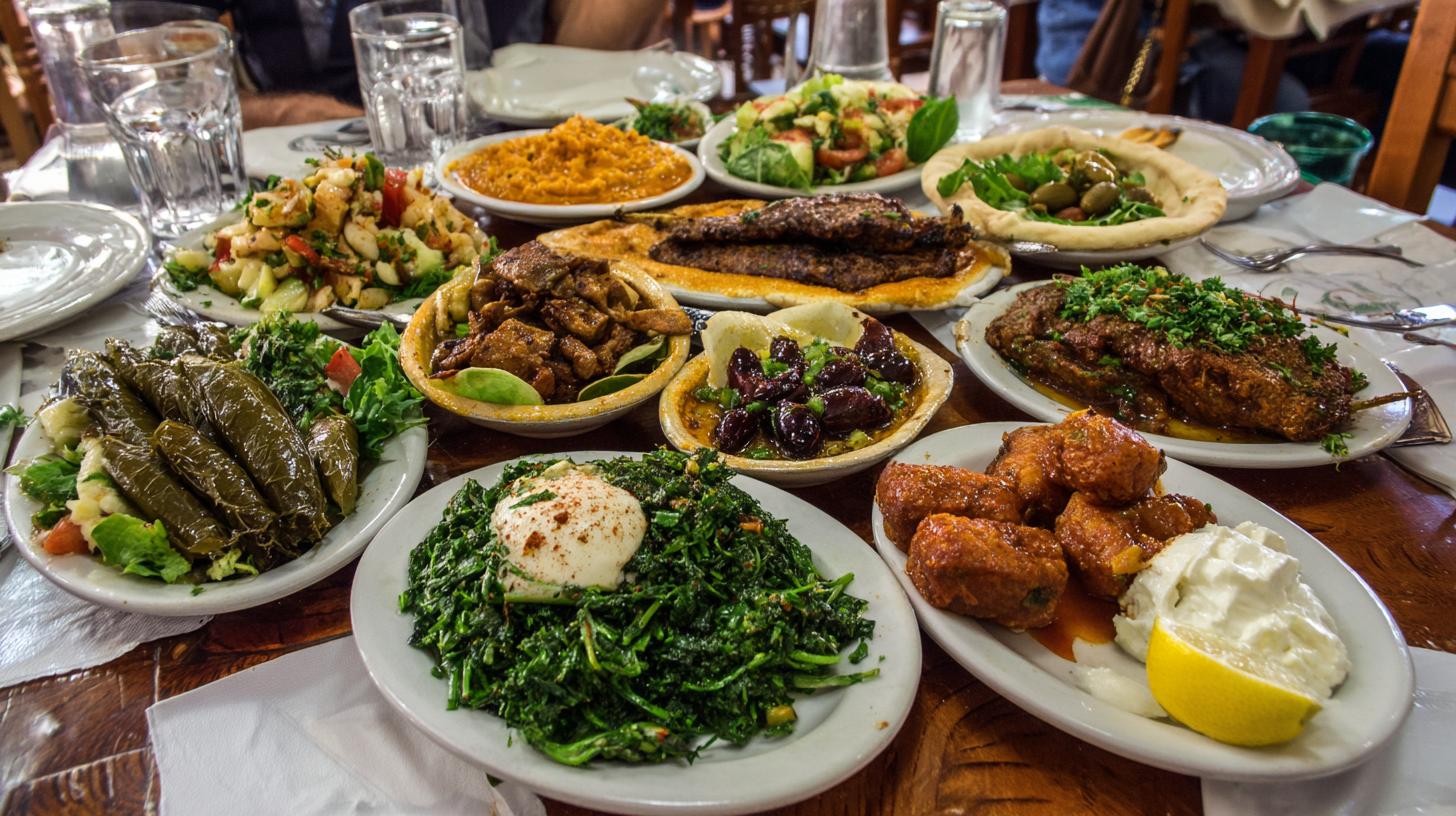
Meze, a cornerstone of Cypriot gastronomy, is much more than just a meal—it’s a cultural ritual. It’s a sprawling feast of small plates showcasing a mix of textures and flavors that encourage sharing and lingered conversation. Where to eat meze Limassol is a question often asked by travelers eager to experience genuine local fare. Limassol, with its bustling seafront and vibrant taverns, is one of the best places on the island to indulge in a traditional meze spread.
This article will delve deeply into the essential traditional Cypriot dishes, explain the significance and components of meze, highlight the city of Limassol as a prime destination for gastronomic exploration, and cover the increasingly popular vegetarian options in Cyprus. Every topic will be treated comprehensively to arm readers with practical knowledge before their culinary journey.
The Foundation of Traditional Cypriot Food Dishes
Traditional Cypriot food dishes are a reflection of the island’s agricultural bounty and centuries of cultural exchange. Staples such as olive oil, fresh vegetables, pulses, fresh herbs, and cheeses like halloumi form the backbone of many meals. Meat, especially lamb and pork, holds a central position, usually prepared for family gatherings or festal occasions.
One hallmark of Cypriot cuisine is its simplicity in preparation, where natural flavors are allowed to shine. Cooking often involves slow-roasting, grilling, or simmering stews to develop deep, comforting tastes. For example, souvla, a traditional method of slow-roasting large chunks of meat over charcoal, produces tender, succulent results that are hard to find elsewhere. Souvla is a celebration food, often enjoyed outdoors during local festivals or family get-togethers.
Vegetarian options Cyprus offers are deeply rooted in age-old agricultural practices. Staple legumes like chickpeas and lentils are cooked in rich tomato and herb sauces. Vegetables such as courgettes, artichokes, capers, and fresh greens appear in numerous traditional recipes. The island’s dry climate encourages the preservation of herbs and vegetables, which are then rehydrated in stews or salads during the winter months.
The island’s unique geography influences its cuisine: coastal areas emphasize seafood and fresh salads, while mountain regions prefer meat and dairy-heavy dishes. This geographic diversity ensures that traditional Cypriot food dishes vary distinctly by region yet maintain core flavors and ingredient profiles.
Cypriot cuisine thrives on simplicity, high-quality local ingredients, and traditional cooking methods that bring out the authentic flavors of the island.
Exploring the Meze Experience: What Makes It Special
Meze is not just a meal; it is an experience that exemplifies the communal spirit of Cypriot society. Traditionally, meze consists of numerous small dishes served simultaneously or in stages, creating a banquet that can easily last several hours. This style of dining fosters sharing, socializing, and savoring a wide range of flavors without rushing.
A typical meze includes cold starters such as tzatziki, tahini, and pickled vegetables, alongside warm dishes like grilled halloumi, fried marrows, and basturma (cured beef). This mix offers a balance between fresh, tangy, salty, and spicy components. Additionally, meat dishes, especially souvla and sheftalia (Cypriot sausages made with minced pork and herbs), are central to a meze feast.
One of the defining features of Cypriot meze is that it represents a snapshot of the island’s gastronomic diversity. It offers everything from dips, salads, bread, and dairy to grilled seafood and meats. The order and pace of serving encourage people to relax, talk, and enjoy their food.
Meze in Cyprus is deeply tied to cultural rituals and celebrations. Traditionally, meze tables appear at weddings, religious feasts, and Sundays when families gather to reconnect. It’s more than sustenance; it’s an embodiment of hospitality and conviviality.
Meze reflects the essence of Cypriot culture—sharing food is sharing life, a principle that guides the island’s culinary traditions.
Where to Eat Meze Limassol: Taverns and Hidden Gems
Limassol, Cyprus’ second-largest city, is famed for its vibrant culinary scene and offers perhaps the best environments to enjoy traditional meze. This coastal city blends its historic legacy with a lively modern atmosphere, creating numerous tavern options where locals and tourists gather to indulge in authentic food.
When seeking where to eat meze Limassol, taverns that specialize in homemade preparations stand out. Many are family-run establishments with decades of experience, serving dishes prepared with recipes passed down through generations. These taverns frequently roast meats on souvla skewers, grill halloumi fresh from local producers, and offer a selection of fresh salads and dips made from heirloom ingredients.
The best taverns in Limassol are often found tucked away in the old town area or near the bustling marina, where fresh seafood complements meat-based meze plates. Visitors are encouraged to seek out places with wood-fired ovens and open grilling areas for the most authentic experience.
| Tavern Name | Specialty | Location | Highlights |
|---|---|---|---|
| To Pefko | Traditional grill and meze | Old Town Limassol | Slow-roasted souvla, fresh halloumi, live music |
| Ta Piatakia | Contemporary Cypriot meze | City Center | Seasonal vegetarian and seafood options |
| Mesa Floga | Classic tavern experience | Marina area | Fresh fish meze, traditional desserts |
Each of these venues offers a glimpse into the best of Limassol’s gastronomic offerings, blending traditional hospitality with top-quality ingredients. Many of these places provide vegetarian options Cyprus visitors can enjoy alongside classic meat and seafood dishes.
Limassol’s taverns remain at the heart of the island’s meze tradition—a place where history, hospitality, and flavor come together.
Vegetarian Options Cyprus: A Growing Culinary Trend
While Cypriot cuisine is traditionally meat-heavy, modern dining preferences have sparked an increase in quality vegetarian options Cyprus offers. Local chefs are innovating by highlighting indigenous produce and combining it with old culinary techniques to create dishes that both satisfy vegetarians and celebrate the island’s gastronomical heritage.
Vegetarian dishes often center around fresh vegetables, legumes, and Cypriot cheeses—especially halloumi and anari (a mild whey cheese). Dishes such as gemista (stuffed peppers and tomatoes), fava (pureed yellow split peas), and loukanika (vegetarian sausage alternatives using herbs and vegetables) are increasingly common on menus.
Vegetarian meze is also gaining traction, featuring plates filled with grilled vegetables, falafel, various cheeses, and herb-infused dips. This offers a rich array of tastes without compromising the authenticity of the Cypriot meze experience.
Local markets and taverns highlight a wide range of fresh herbs like mint, oregano, and parsley, which elevate vegetarian dishes with natural flavor. Importantly, many traditional recipes can be adapted easily to vegetarian versions without losing their original character.
Vegetarian cuisine in Cyprus leverages the island’s rich agricultural tradition, creating vibrant, flavorful dishes that cater to modern dietary needs without sacrificing authenticity.
The Role of Tavern Dining in Cypriot Gastronomy
Taverns are foundational to the landscape of Cypriot gastronomy. These informal, often family-owned establishments are more than just places to eat; they serve as community hubs where Cypriots come together to celebrate, relax, and share stories over generous plates of food.
The design and atmosphere of these taverns reflect a down-to-earth approach: wooden tables, open kitchens or grills, and walls often adorned with local artifacts. The focus is on offering hearty traditional Cypriot food dishes at modest prices while prioritizing a convivial, welcoming environment.
The term “tavern” carries different connotations globally, but in Cyprus, it specifically implies a certain kind of culinary authenticity and cultural practice. Taverns here tend to cook with techniques that preserve traditional flavors—especially methods involving wood fires and long, slow cooking processes.
Cypriot taverns embody community, tradition, and authenticity; they are as central to the island’s culture as the food they serve.
Souvla and Its Place in Cypriot Culinary Heritage
No discussion of Cypriot cuisine is complete without emphasizing souvla. This unique technique involves cooking large pieces of meat—usually pork, lamb, or chicken—on long skewers over slow-burning charcoal. The meat rotates gently, allowing fat to baste the meat naturally, resulting in a tender and flavorful product.
Souvla is often the centerpiece of large gatherings and celebrations, known for its ability to feed many guests with satisfying and aromatic meat cooked to perfection. It differs from the more commonly known souvlaki by virtue of the larger cuts and longer cooking times involved.
Preparing souvla is an art form, with specific timing and temperature control, often entrusted to an experienced family member or a local butcher. The resulting meat is usually served simply—accompanied by fresh salads, bread, and dips—letting the smoky flavor shine.
Souvla is not just a dish; it’s a culinary tradition that brings families and communities together around the fire and the table.
Final Bites: Discovering Cypriot Hospitality Through Food
Traditional Cypriot food dishes offer more than nutritional sustenance—they serve as a bridge to the island’s multifaceted heritage and social fabric. Through dishes like souvla and experiences like meze, visitors encounter the slow rhythms of Cypriot life, where food is a language of warmth, generosity, and identity.
Limassol’s taverns provide an ideal gateway to exploring authentic flavors, with their refined balance of tradition and modernity. Whether you are a meat lover, a vegetarian, or simply passionate about experiencing genuine regional gastronomy, Cyprus invites you to savor every bite and every moment.
In a world where speed often dictates lifestyle, Cypriot cuisine encourages slowing down, sharing, and truly tasting. This culinary philosophy combined with a hospitable spirit guarantees that those seeking the best meze or a true sense of place will leave the island with memories etched not only on their palates but also in their hearts.
To taste Cypriot food is to embrace a tradition of hospitality, community, and a deep-rooted connection to the land and sea.
Frequently Asked Questions
- What are some must-try traditional Cypriot food dishes?
Must-try dishes include souvla (slow-roasted meat), sheftalia (Cypriot sausages), halloumi cheese, and kleftiko (slow-baked lamb), as well as vegetable-based dishes like fava and gemista. - Where can I find the best meze in Limassol?
Some of the best options are family-run taverns in Limassol’s Old Town and marina areas, such as To Pefko and Mesa Floga, where authentic meze and souvla are served. - Are there good vegetarian options in Cyprus?
Yes, Cyprus offers many vegetarian choices grounded in traditional recipes using fresh local vegetables, pulses, and cheeses, often featured in vegetarian meze spreads. - What makes souvla different from souvlaki?
Souvla involves cooking large chunks of meat slowly on a charcoal spit, while souvlaki typically uses small, fast-grilled skewers of meat. - What role do taverns play in Cypriot gastronomy?
Taverns are central to Cypriot food culture, serving as communal spaces where traditional dishes are prepared authentically and hospitality is a key component. - Is meze suitable for large groups or families?
Yes, meze is designed for sharing, making it ideal for gatherings, socializing, and tasting a variety of dishes together. - Can vegetarians enjoy traditional meze in Cyprus?
Absolutely, many taverns now offer vegetarian meze options that highlight fresh, local produce without losing the spirit of traditional Cypriot dining.