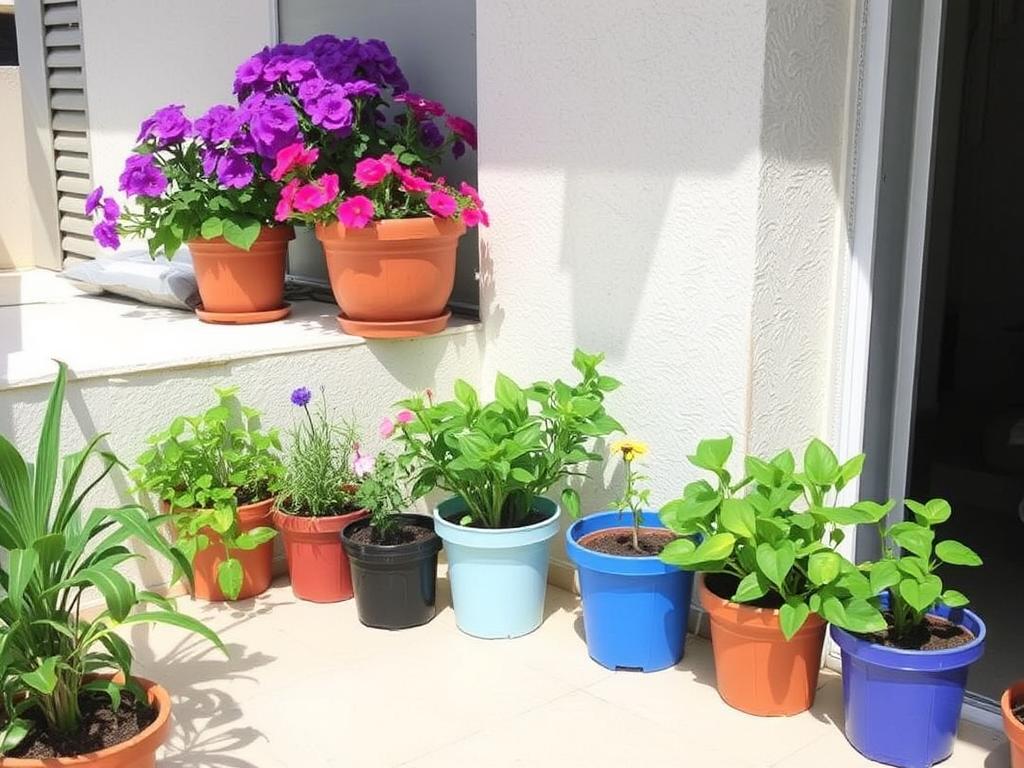
- 1. The Climate Context: Understanding Mediterranean Climate Impacts
- 2. Choosing Plants That Grow in Cyprus Balconies
- 3. Techniques for Balcony Gardening in Cyprus
- 4. Best Practices for Watering in Summer Cyprus
- 5. Popular Herbs for Balcony Gardening in Cyprus
- 6. Common Challenges and Solutions in Cyprus Balcony Gardening
- 7. Tools and Resources for Cyprus Balcony Gardeners
- 8. Elevate Your Green Space: Thriving Balcony Gardens in Cyprus
- 9. Frequently Asked Questions
- 10. Author
Balcony gardening in Cyprus has become an increasingly popular way for urban dwellers to connect with nature, add greenery to limited spaces, and benefit from fresh herbs and vegetables. The Mediterranean climate of Cyprus provides both opportunities and challenges for gardeners who must choose plants that can thrive in long, hot summers and mild, wet winters. Understanding what grows in Cyprus, the local weather patterns, and how to optimize watering in summer Cyprus conditions is essential for maintaining a thriving balcony garden. This article dives deeply into the specifics of balcony gardening in Cyprus, focusing on plant selection and effective water management through the hottest months.
The Climate Context: Understanding Mediterranean Climate Impacts
The Mediterranean climate shapes every aspect of gardening in Cyprus, including balcony garden care. Characterized by hot, dry summers and cool, wet winters, this climate demands gardeners adapt plant choices and watering methods to maximize survival and growth. Temperatures during the peak summer months can regularly exceed 35°C (95°F), with intense sunlight and little natural rainfall. For plants, especially those in containers on balconies, the conditions can be extreme: heat combined with limited root zone moisture retention and higher exposure to wind.
Winter rains replenish the soil moisture and give plants a chance to recover, but they offer little respite during the long summer. Understanding this cycle is key to sustaining a balcony garden in Cyprus and choosing plants native or adapted to local conditions.
Balcony gardening in a Mediterranean climate requires balancing intense summer heat with occasional winter rains to keep plants alive and thriving.
Choosing Plants That Grow in Cyprus Balconies
Plants suitable for balcony gardens in Cyprus must tolerate high temperatures, dry air, and often reflective heat from surrounding urban structures. Selecting plants native to or well-adapted to Cyprus ensures better resistance to environmental stress and reduces the dependency on excessive watering. The choice of plants can vary widely—from ornamental shrubs to herbs and small fruit-bearing plants.
Among the various options, herbs hold a special place in Mediterranean gardening due to their hardiness, culinary uses, and fragrance. Mediterranean herbs such as oregano, rosemary, thyme, basil, and sage flourish in Cyprus’s climate and make excellent balcony garden additions.
Some common plants that grow in Cyprus balconies include:
- Lavender (Lavandula spp.): Thrives in full sun and well-drained soil with low water requirements.
- Bougainvillea: A colorful, drought-resistant climber that can add vertical interest.
- Succulents and cacti: Ideal for dry conditions, requiring minimal watering.
- Citrus plants (dwarf varieties): Adapt well to pots and provide fragrant blossoms and fruit.
- Tomatoes and peppers: Popular edible plants that need careful watering and sun exposure.
Understanding the light and space limitations of your balcony will also narrow down your plant choices. South-facing balconies receive the most intense sunlight and require plants that can handle direct sun, while north-facing balconies may need shade-tolerant species.
Choosing plants native or adapted to the Mediterranean climate is crucial for a sustainable and productive balcony garden in Cyprus.
Techniques for Balcony Gardening in Cyprus
Managing a balcony garden brings unique challenges compared to traditional garden plots, especially in Cyprus. The limited soil volume, increased wind exposure, and heat reflectance mean that gardeners must adopt specific techniques to promote plant health and efficient resource use.
One foundational practice is container selection. Containers should be appropriately sized, light-colored or reflective to reduce heat absorption, and equipped with good drainage to prevent waterlogging. Using high-quality, well-draining potting mixes enriched with organic matter can improve moisture retention and root aeration.
Intermixing plants with different water and light requirements in the same container should be avoided. Grouping plants with similar needs optimizes irrigation and microclimate management.
Vertical gardening systems and hanging pots can maximize space and airflow, which is beneficial in Cyprus’s hot, still summer conditions. Additionally, shading solutions like mesh canopies or strategically placed natural shade can mitigate heat stress.
Soil and Fertilization Considerations
Balcony gardens often rely on potting soil mixtures rather than garden soil. The choice of soil directly influences water retention, nutrient availability, and plant health. In Cyprus, where water can be scarce during summer, using soil that maintains moisture without becoming waterlogged is critical. Adding materials like perlite or vermiculite improves aeration and drainage.
Fertilization supports plant resilience, particularly when soil nutrients deplete quickly in containers. Organic fertilizers such as compost teas, seaweed extracts, or slow-release pellets provide nourishment without overwhelming plants or causing salt buildup.
Proper container, soil, and fertilization choices create a controlled environment that mitigates the harsh challenges of balcony gardening in Cyprus.
Best Practices for Watering in Summer Cyprus
Watering in summer Cyprus conditions is the most crucial, yet challenging aspect of balcony gardening. Water loss through evaporation, transpiration, and drainage is amplified by heat and dry Mediterranean air. Without an effective watering strategy, plants can rapidly suffer wilt, nutrient deficiencies, and mortality.
Gardening in Cyprus necessitates a balance: providing enough water for plants to thrive while conserving this vital resource. Overwatering, too, can be detrimental, especially in containers, leading to root rot and fungal issues.
Identifying Plant Water Needs
Each plant species has specific water requirements. Mediterranean herbs, for example, generally prefer drier conditions and may require less frequent watering. Conversely, vegetables like tomatoes and peppers need more regular moisture but cannot tolerate waterlogged roots.
Understanding these needs helps schedule irrigation effectively. Observing leaf color, texture, and soil moisture can signal when and how much to water.
Efficient Watering Techniques
The key to efficient watering in summer Cyprus is timing and method. Early morning or late evening watering minimizes evaporation. Drip irrigation systems or soaker hoses deliver water directly to the root zone, reducing surface evaporation and wetting foliage which can promote diseases.
Mulching the soil surface with organic materials or structural covers like pebbles helps retain moisture and maintain cooler soil temperatures. Regular checking of pot moisture with a finger test or moisture meter informs precise irrigation, ensuring plants are neither over nor under watered.
Water Quality and Alternatives
In Cyprus, water quality varies, especially with concerns over salinity or hardness derived from groundwater or recycled sources. Using rainwater when available or employing simple filtration techniques can reduce risk to sensitive plants. Additionally, greywater reuse must be handled with care to avoid contaminating edible plants.
Smart watering practices—timed, targeted, and adjusted to plant needs—are essential to overcome summer heat stress in Cyprus balcony gardens.
Popular Herbs for Balcony Gardening in Cyprus
Herbs are a quintessential component of Mediterranean gardening and bring both aesthetic and functional value to balconies in Cyprus. Their drought resistance, aromatic qualities, and culinary uses make them a preferred choice for container gardens exposed to the summer sun.
The most reliable Mediterranean herbs and culinary staples suitable for Cyprus balcony gardens include:
- Oregano: Hardy and fragrant, thrives in hot sun and requires minimal water once established.
- Rosemary: Robust and evergreen, capable of withstanding prolonged dry spells.
- Thyme: Low-growing and drought-tolerant, excellent for sunny balcony spots.
- Basil: Requires a bit more water but appreciates warmth and does well on bright balconies.
- Sage: Tolerant of heat and dry soil, with attractive foliage and flowers.
Balancing watering and soil conditions for herbs is somewhat easier than for vegetables, given their evolutionary adaptations to Mediterranean climates. Herbs also often benefit from pruning, which encourages bushier growth and prevents legginess.
Common Challenges and Solutions in Cyprus Balcony Gardening
Gardeners in Cyprus face distinct challenges brought about by the Mediterranean climate, urban environment, and container limitations. Identifying these issues and applying practical solutions enhances the resilience and vitality of balcony gardens.
Heat stress is the most significant challenge in summer, leading to leaf scorch, wilting, and slowed growth. Providing artificial shade or relocating containers can reduce exposure. Wind can rapidly dry out soil and damage plants, making windbreaks or sturdy staking important.
Pests such as aphids, spider mites, and whiteflies can become problematic when plants are stressed. Integrated Pest Management (IPM) techniques using natural predators, neem oil, or insecticidal soaps are preferred methods over chemical pesticides on edible plants.
Soil salinity and nutrient depletion require periodic fresh potting mix addition or leaching with good-quality water to flush mineral buildup.
A proactive approach incorporating shading, pest control, and soil management greatly increases balcony garden success in Cyprus.
Tools and Resources for Cyprus Balcony Gardeners
Having the right tools and resources supports efforts to master balcony gardening under Cyprus’s demanding conditions. Essential tools include moisture meters, quality watering cans or drip irrigation setups, pruning shears, and lightweight containers with drainage.
Consulting local horticultural groups or agricultural extension services can provide tailored advice on plants that grow in Cyprus and efficient watering in summer Cyprus conditions. Online forums and Cyprus-based gardening publications also offer practical tips and inspiration.
Assessing microclimate conditions on your specific balcony—sunlight hours, wind exposure, and temperature swings—can guide plant selection and temporal watering schedules. Experimentation, coupled with scientific observation, fosters a sustainable and rewarding gardening practice.
Elevate Your Green Space: Thriving Balcony Gardens in Cyprus
Balcony gardening in Cyprus is not merely a pastime but an adaptive interaction with a challenging Mediterranean climate. By understanding local weather patterns, carefully selecting plants that grow in Cyprus, implementing precise watering in summer Cyprus routines, and employing thoughtful gardening techniques, anyone can cultivate a lush, productive green space.
Creating a thriving balcony garden requires patience, knowledge, and attentiveness, but the rewards—a fragrant herb harvest, vibrant flowers, and a personal oasis of nature—are well worth the effort. The key lies in respecting the environment’s constraints and working with, not against, the natural rhythms of the Mediterranean climate.
Whether you are a beginner or an experienced gardener transplanted into Cyprus, embracing these practices leads to success. Your balcony can transform into a sustainable and welcoming refuge that celebrates the essence of Mediterranean gardening.
Your Cyprus balcony garden can flourish with the right plant choices, watering methods, and dedication—a living testament to harmony with the Mediterranean climate.
Frequently Asked Questions
- What are the easiest plants to grow on a balcony in Cyprus?
Hardy Mediterranean herbs like oregano, rosemary, thyme, and drought-tolerant plants such as lavender and succulents are the easiest due to their adaptability to heat and limited water. - How often should I water my balcony garden in Cyprus during summer?
Generally, watering every 2-3 days is advisable, but frequency depends on plant type and container size. Check soil moisture regularly to avoid under- or overwatering. - Can I grow vegetables on my Cyprus balcony?
Yes, vegetables like tomatoes, peppers, and eggplants can grow well with adequate sunlight, nutrient-rich soil, and attentive watering strategies. - What is the best time of day to water plants in the summer heat?
Early morning or late evening watering reduces evaporation and allows better moisture absorption. - How can I protect my plants from intense sunlight?
Use shade cloths or move containers to partially shaded areas during the hottest hours; also consider reflective surfaces to reduce heat absorption. - Are there water-saving irrigation methods suitable for balconies?
Yes, drip irrigation and soaker hoses are effective for delivering water directly to roots, minimizing waste and evaporation. - What soil mix is best for container gardening in Cyprus?
A light, well-draining mix with organic compost and additives like perlite or vermiculite helps retain moisture while preventing waterlogging.